
Asian Handicap betting is a method that has become increasingly popular among sports bettors, particularly in football, because it reduces the element of a draw and creates a more balanced betting market. Unlike traditional fixed-odds betting, where outcomes are usually win, lose, or draw, Asian Handicap focuses on providing a numerical advantage or disadvantage to teams, effectively leveling the playing field between favorites and underdogs. Understanding this system requires a careful look at how handicaps work and how they impact betting decisions.
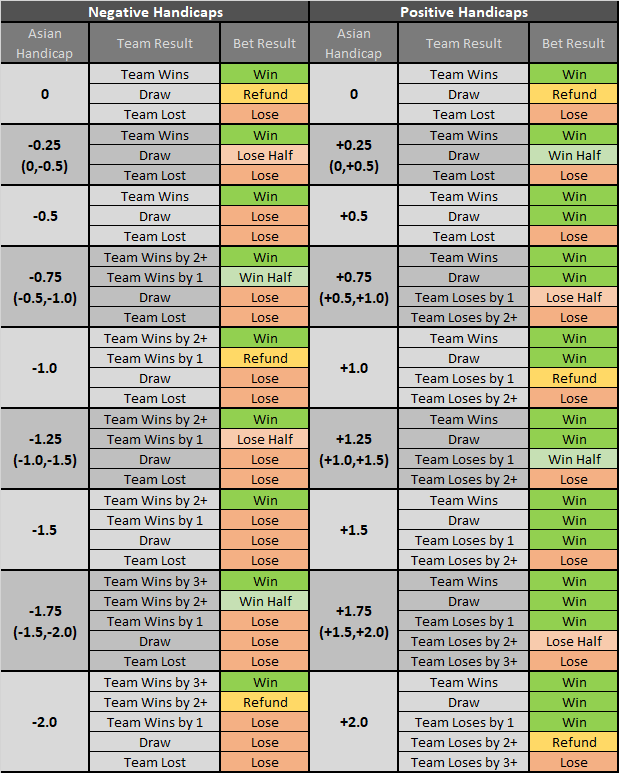
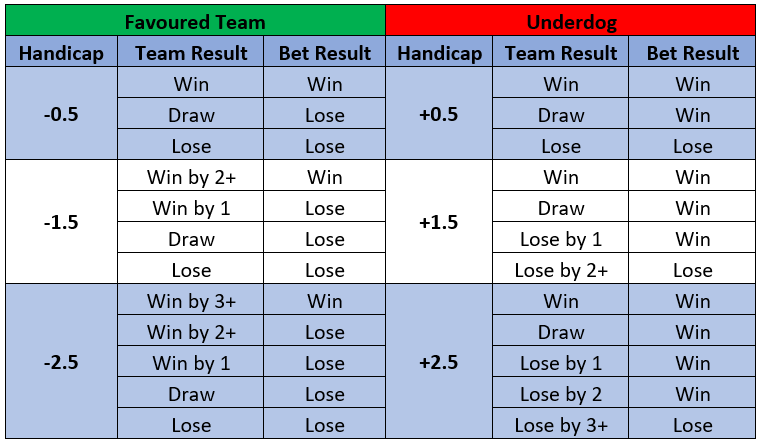
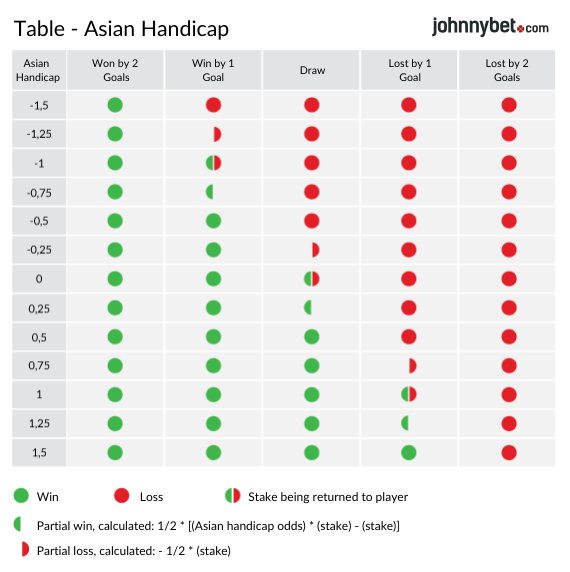
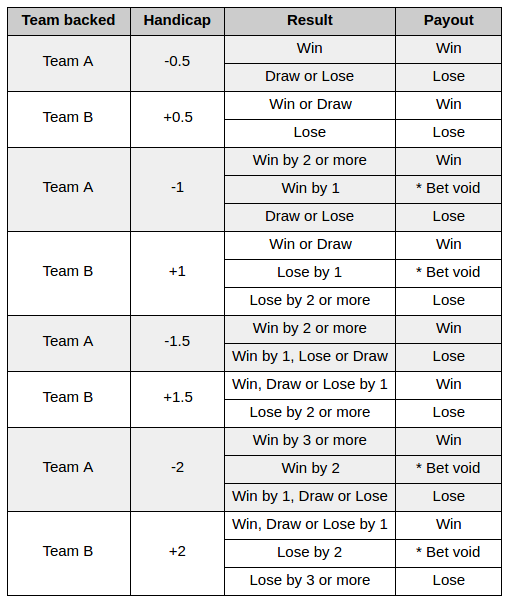
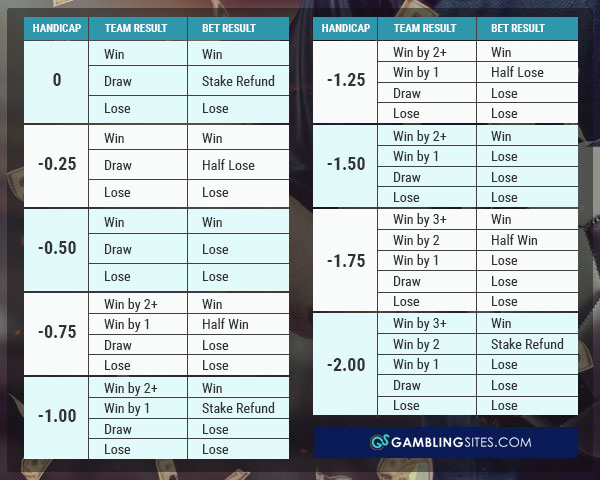
At its core, Asian Handicap removes the draw as an option by assigning a handicap to one of the teams. For example, if a strong team is playing a weaker team, bookmakers might give the weaker team a +1 goal advantage, while the stronger team carries a -1 handicap. This means that for the bet to win on the strong team, they must win by more than one goal. Conversely, if the strong team wins by exactly one goal, the bet is usually refunded in many Asian Handicap formats, or partially refunded depending on whether half-goals or quarter-goals are involved. This system encourages more strategic betting because it is no longer just about predicting a winner but predicting the margin of victory.
One of the key advantages of Asian Handicap betting is that it creates more equitable odds between teams of different strengths. In traditional betting, a dominant team might have very low odds, offering minimal profit potential, while betting on the underdog could be risky but rewarding. With Asian Handicap, a handicap levels this imbalance, making bets on the stronger team slightly riskier and bets on the underdog more attractive. For instance, in a matchup between a top-tier team and a mid-tier team, a -1.5 handicap on the favorite might produce near-even odds, whereas in standard betting, the favorite might be overwhelming. This shift not only balances the market but also attracts a wider range of betting interest.
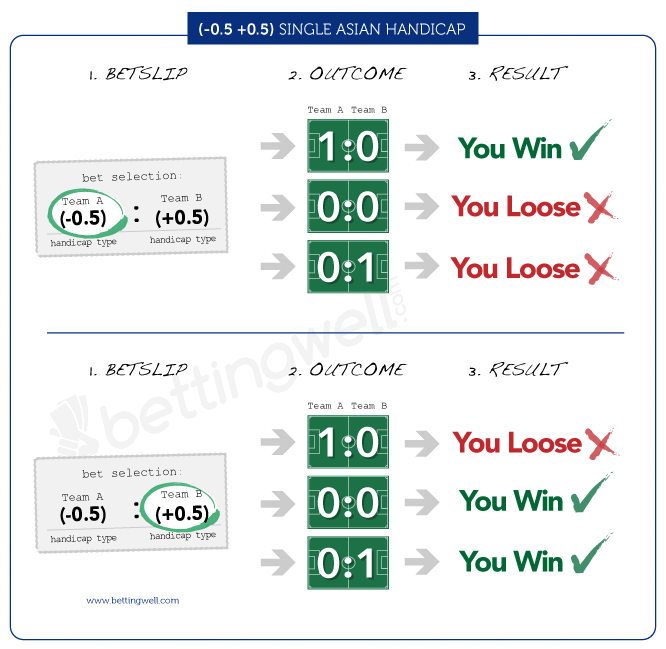
Understanding the different forms of Asian Handicap is crucial for bettors. The most common types include whole-goal, half-goal, and quarter-goal handicaps. Whole-goal handicaps are straightforward: one team is given a full-goal advantage or disadvantage. Half-goal handicaps remove the possibility of a draw entirely, ensuring that all bets are either won or lost. Quarter-goal handicaps are more complex, splitting a bet into two, such as -0.25, which is half at 0 and half at -0.5. This allows for partial wins or losses, reducing the risk while still offering meaningful returns. Mastery of these types allows bettors to tailor their strategies according to risk tolerance and match expectations.
A practical application of Asian Handicap involves assessing both teams’ performance trends. Bettors should consider factors such as recent scoring patterns, defensive capabilities, injuries, and home-field advantage. For example, if a strong team has consistently won matches by a large margin, placing a bet with a -1 or -1.5 handicap could be logical. Conversely, if the underdog has shown the ability to limit losses or even score against stronger teams, betting on them with a positive handicap may offer a safer route. Asian Handicap betting emphasizes the importance of analyzing the margin, not just the outcome, making research and data evaluation critical.
Another important aspect is the psychological component of Asian Handicap betting. Bettors often perceive it as less risky because the system allows for refunds or partial wins in certain cases. This can influence decision-making, sometimes leading to more calculated, rather than impulsive, bets. However, the presence of fractional handicaps, such as -0.25 or +0.75, introduces subtle complexities that require careful consideration. Misinterpreting these can lead to unexpected losses, so understanding how each handicap translates into potential outcomes is essential for maintaining consistent results.
Asian Handicap also transforms betting strategies for live or in-play markets. When matches are in progress, odds shift dynamically based on events such as goals scored, red cards, or substitutions. Live Asian Handicap betting allows punters to adjust their positions according to changing circumstances. For instance, if a favorite scores early, the live handicap might increase their disadvantage, offering opportunities for higher returns if they maintain the lead. In-play betting requires constant attention and quick judgment, but it also provides a way to exploit momentum swings that traditional betting might not capture as effectively.
Risk management in Asian Handicap betting is different from standard betting. Because the draw is effectively eliminated in most formats, probabilities are condensed into two outcomes. This can be advantageous for hedging, as bettors can place offsetting bets on both sides with careful calculations. Understanding the precise impact of the handicap allows for more controlled betting amounts and mitigates exposure to unexpected results. Advanced bettors often use Asian Handicap alongside other analytical tools, such as expected goals models or statistical simulations, to refine their approach and enhance profitability.
Ultimately, mastering Asian Handicap betting requires both knowledge and experience. It demands a deep understanding of the game, an ability to interpret statistical trends, and the discipline to adhere to sound bankroll management practices. Bettors must focus on identifying value rather than simply predicting winners, as the margin of victory is the decisive factor. Properly applied, Asian Handicap betting can offer more consistent returns, reduced variance, and a richer understanding of the underlying dynamics of football matches.
Asian Handicap is more than a betting option; it is a tool for creating balance, fostering strategic thinking, and engaging with the sport on a deeper analytical level. It encourages careful evaluation of team performance, informed decision-making, and a disciplined approach to wagering. By removing the draw and introducing nuanced handicaps, it transforms the betting experience from a simple guess into a calculated exercise in probability and strategy. For those willing to learn its intricacies, Asian Handicap offers a sophisticated, exciting, and potentially profitable way to approach sports betting.
This form of betting exemplifies how numerical adjustments can fundamentally change the way markets operate, highlighting the importance of precision, analysis, and risk awareness. The logic behind Asian Handicap is simple in concept but rich in practical applications, rewarding those who take the time to understand and implement it thoughtfully. In the broader landscape of sports wagering, it stands out as a method that elevates the challenge and engages the bettor in a meaningful, strategic process that goes beyond luck.
Asian Handicap is not just about choosing a team; it is about interpreting numbers, anticipating outcomes, and making informed choices in a complex, dynamic environment. It requires attention to detail, an appreciation of probability, and a willingness to study match contexts carefully. For serious bettors, it provides a structured, intellectually stimulating approach that can improve decision-making, optimize returns, and enhance overall betting satisfaction.
By integrating statistical insight with strategic application, Asian Handicap betting transforms ordinary predictions into sophisticated assessments, rewarding knowledge, preparation, and disciplined execution. It is a system that turns betting into a more precise and thoughtful pursuit, where understanding the margin, rather than just the winner, becomes the key to consistent success.
Asian Handicap betting represents an evolution in sports wagering, offering both newcomers and experienced punters an opportunity to engage more deeply with matches, exploit balanced markets, and apply analytical thinking. By mastering its logic, bettors can navigate the complexity of football outcomes with greater confidence, focus on meaningful probabilities, and enjoy a betting experience that combines challenge, strategy, and potential for consistent reward.
Asian Handicap’s appeal lies in its simplicity in concept but sophistication in execution. It transforms betting from a three-outcome gamble into a two-outcome, margin-focused analysis, emphasizing research, statistical interpretation, and careful strategy. For those who take the time to learn its principles, Asian Handicap offers a more controlled, rational, and engaging way to bet, blending the thrill of the game with the discipline of calculated decision-making.
Asian Handicap betting is ultimately about creating fairness in markets, encouraging analytical rigor, and rewarding those who approach wagering with intelligence and patience. It is a tool that transforms sports betting into a precise exercise in understanding outcomes, margins, and probabilities, making it an indispensable approach for serious punters seeking consistency, strategic depth, and meaningful engagement with the sport.
Asian Handicap combines statistical insight, strategic reasoning, and disciplined execution, offering bettors a structured path to assess matches more accurately. By focusing on the margin and removing draws from the equation, it encourages informed decision-making and mitigates the influence of luck. It is an elegant solution for balancing markets and enhancing the betting experience, demonstrating how careful application of logic can turn wagering into a skillful, rewarding pursuit.


Leave a Reply